


Tagged
Stories about game design
28 stories from the journal share this topic, on the Inclusive design, Social play, OutBrick practice, Game craft, Success stories, Learning through play, and Player habits shelves.
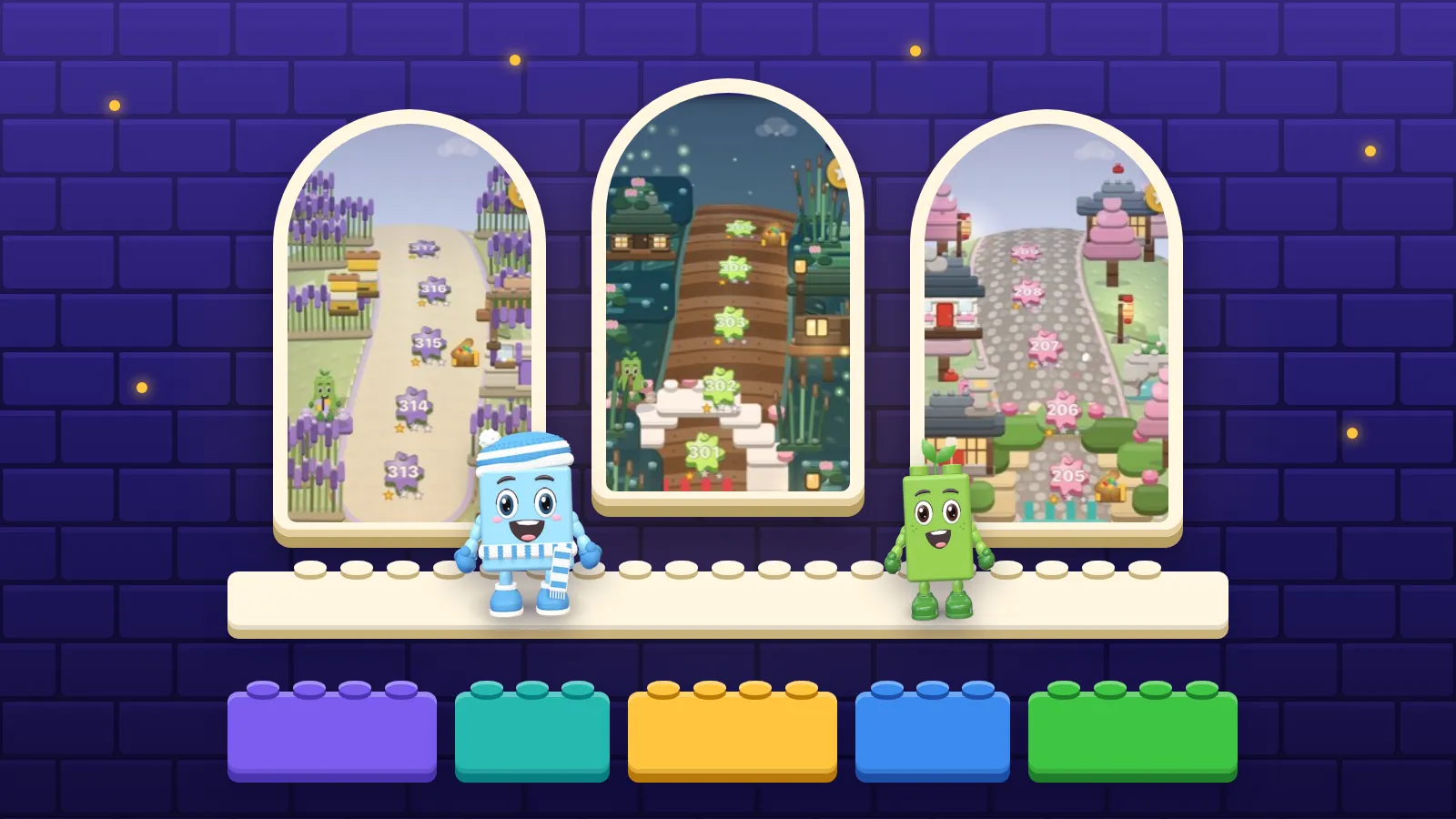
Start with “OutBrick on iPhone Duo: what would you want to play?”. Would you want OutBrick adapted for iPhone Duo? Explore possible inner and outer screen experiences, then tell us what would make play worthwhile.
Stories tagged game design
OutBrick accessibility beyond the puzzle board
From shop buttons and frozen gates to mission credit and Italian support: how AppleVis feedback is helping us improve the whole OutBrick session.
Solve puzzles together without taking over the screen
Share a puzzle without stealing the next move: agree roles, explain predictions, offer small hints and make room for different solving styles.
Play block puzzles online without downloading an app
Try OutBrick’s browser boards without installing an app. Learn the controls, daily-board rotation, scoring and differences from the full game.
Water sort vs block sort: which puzzle style fits you?
Compare water-sort capacity puzzles with sliding-block routes, using concrete examples, practical selection tips and clear limits to the research.
Sokoban vs sliding-block puzzles: push, glide, plan
Learn how Sokoban pushing differs from glide-to-stop block puzzles, with practical examples of corners, access routes and temporary stopping points.
Block Blast!+ vs OutBrick: two kinds of block puzzle
Compare Block Blast!+ and OutBrick by their actual mechanics: placing shapes to clear lines, sliding bricks to exits, and choosing how to pay.
OutBrick on iPhone Duo: what would you want to play?
Would you want OutBrick adapted for iPhone Duo? Explore possible inner and outer screen experiences, then tell us what would make play worthwhile.
OutBrick vs Block Out Puzzle: which game fits you?
Compare OutBrick and Grand Games’ Block Out using official listings: mechanics, offline play, accessibility and costs, with an honest fit guide.
Playing across devices: what research says about continuity
Phone on the train, tablet on the sofa, TV at night: what studies of multi-device life say about continuity, and how OutBrick syncs across five platforms.
Achievements and collections: why completing a set feels good
Why the last badge, sticker or level pulls so hard, what the Zeigarnik effect really shows, and how to enjoy collecting in games without being driven by it.
Does gamification work? What the meta-analyses actually say
Points, badges and leaderboards were meant to make everything engaging. Here is what reviews of hundreds of studies found, and where the evidence runs thin.
Colour in game design: contrast, meaning and emotion
What colour psychology can and cannot tell game designers, why contrast matters more than hue, and how to make coloured pieces readable for everyone.
Why we get attached to game characters, even silent ones
Players admire, worry about and miss game characters. Research on attachment, parasocial bonds and cuteness explains why, and what designers owe players.
Game tutorials that teach without telling: what works
A study of 45,000 players found tutorials only paid off in complex games. What research says about teaching through play, hints and the first hour.
Dynamic difficulty adjustment: should games adapt to you?
Many games quietly tune themselves to your skill. What studies say about adaptive difficulty, why it can leave players overconfident, and the case for asking.
Game feel and juice: why a satisfying slide matters
Juice is the extra feedback that makes a tap feel good. Studies with thousands of players show it helps, up to a point, and then starts to hurt.
What makes a puzzle feel fair? Difficulty, failure and trust
Hard is not the same as unfair. What research on challenge and failure says about the puzzles players trust, and the ones they quit in frustration.
Designing games for older eyes and hands: readable and forgiving
How vision, touch and reaction time change with age, what that means for contrast, targets and pace, and design principles for games that stay friendly at 80.
Dyslexia-friendly game text: fonts, spacing and plain words
Do dyslexia fonts work? What eye-tracking and reading studies say about typefaces, size, letter spacing and wording, and how to make game text easier to read.
Choosing calm mobile games for kids: a parent’s guide
Most apps young children play use manipulative design. A research-based checklist for spotting pressure, adverts and lures, and choosing calmer games.
Motion sickness from games: why Reduce Motion matters
Why screen motion makes some players dizzy or queasy, who is most susceptible, and how the Reduce Motion setting and careful animation make games comfortable.
Why undo makes you a better puzzle solver, not a lazier one
Mistakes you can take back are some of the best teachers a puzzle has. What research on errors and planning says about using undo well, and when to hold back.
Apple Vision Pro puzzle games: designing for space
Comfort, gaze and pinch, windows versus immersion, seated play and legible pieces: what makes a puzzle game work well on Apple Vision Pro.
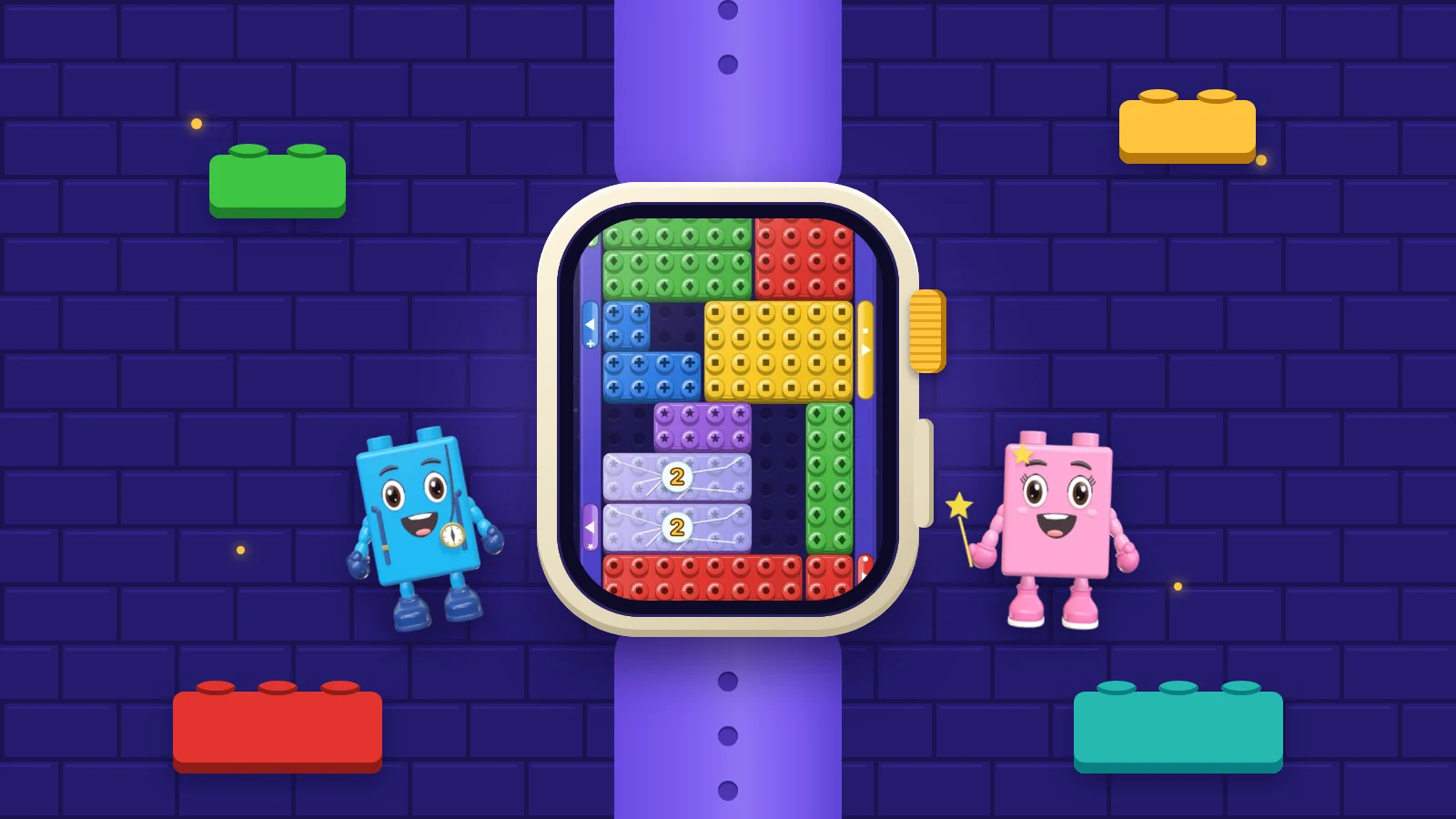
Apple Watch puzzle games: what works on a tiny screen
Glanceable boards, fingertip-sized pieces, the Digital Crown, haptics and standalone play: what makes a puzzle game work on Apple Watch.
Relaxing puzzle games: what actually makes one calm
Soft colours are not enough. Move limits versus clocks, fair lives, and games that never interrupt you: how to tell if a puzzle game will stay calm.
When a game teaches curiosity without a lecture
How interactive systems can invite experimentation, and what MIT’s maker-learning work suggests about putting agency before explanation.
Stardew Valley and the craft of gentle progress
A success story about patient craft, visible progress, and why a game can feel generous without becoming frictionless.
Designing a game for the life players actually have
Why “gaming life fit” is a better design question than chasing a bigger hours-played number.

Related topics
Follow the journal
New stories, in your feed reader.
Rather not give an email? Copy the feed address into any RSS reader (Reeder, NetNewsWire, Feedly, Inoreader) and each new story arrives as it is published.
www.outbrick.site/feed.xml
Or follow one shelf
- Player habitsCopy the Player habits feed address
- Success storiesCopy the Success stories feed address
- Game craftCopy the Game craft feed address
- Inclusive designCopy the Inclusive design feed address
- Learning through playCopy the Learning through play feed address
- Social playCopy the Social play feed address
- OutBrick practiceCopy the OutBrick practice feed address