


A shelf of the journal
Learning through play
Curiosity before explanation.
Stories on this shelf
Are puzzle games good for your brain? What the research says
Puzzles are often sold as brain training. Here is what the studies actually show about memory, ageing and mood, and what nobody can honestly promise.
Choosing calm mobile games for kids: a parent’s guide
Most apps young children play use manipulative design. A research-based checklist for spotting pressure, adverts and lures, and choosing calmer games.
Playing games with your grandchildren: why it is worth it
Research on intergenerational play finds real benefits for both generations when the game is chosen well. What the studies show, and how to make it work.
Do puzzles build children’s executive function? The evidence
Executive function underpins planning and self-control. What studies say puzzles and games can and cannot do for children, and how to play in ways that help.
Puzzles and perseverance: why a hard board is worth finishing
Struggle that ends in a solution teaches more than an easy win. What research on desirable difficulties, effort and productive failure says about hard puzzles.
The aha moment: what insight looks like in the brain
The sudden click of a solved puzzle has a signature in the brain. What research says about insight, why aha answers are usually right, and when they are not.
Working memory: why some puzzle boards feel impossible
A hard board is often a memory problem in disguise. How working memory and cognitive load shape puzzle difficulty, and practical ways to lighten the load.
Can puzzle games improve spatial skills? What studies show
Spatial skills can be trained, but games are a narrower route than often claimed. What the meta-analyses say about spatial training, Tetris and transfer.
Stuck on a puzzle? The science of stepping away
Why an unsolved puzzle often cracks after a break, what a meta-analysis of incubation studies found, and how to take the kind of break that helps.
Chunking explained: how expert puzzlers see patterns
Chess masters remember boards by the pattern, not the piece. What chunking research shows about expert perception, and how to build chunks of your own.
Why undo makes you a better puzzle solver, not a lazier one
Mistakes you can take back are some of the best teachers a puzzle has. What research on errors and planning says about using undo well, and when to hold back.
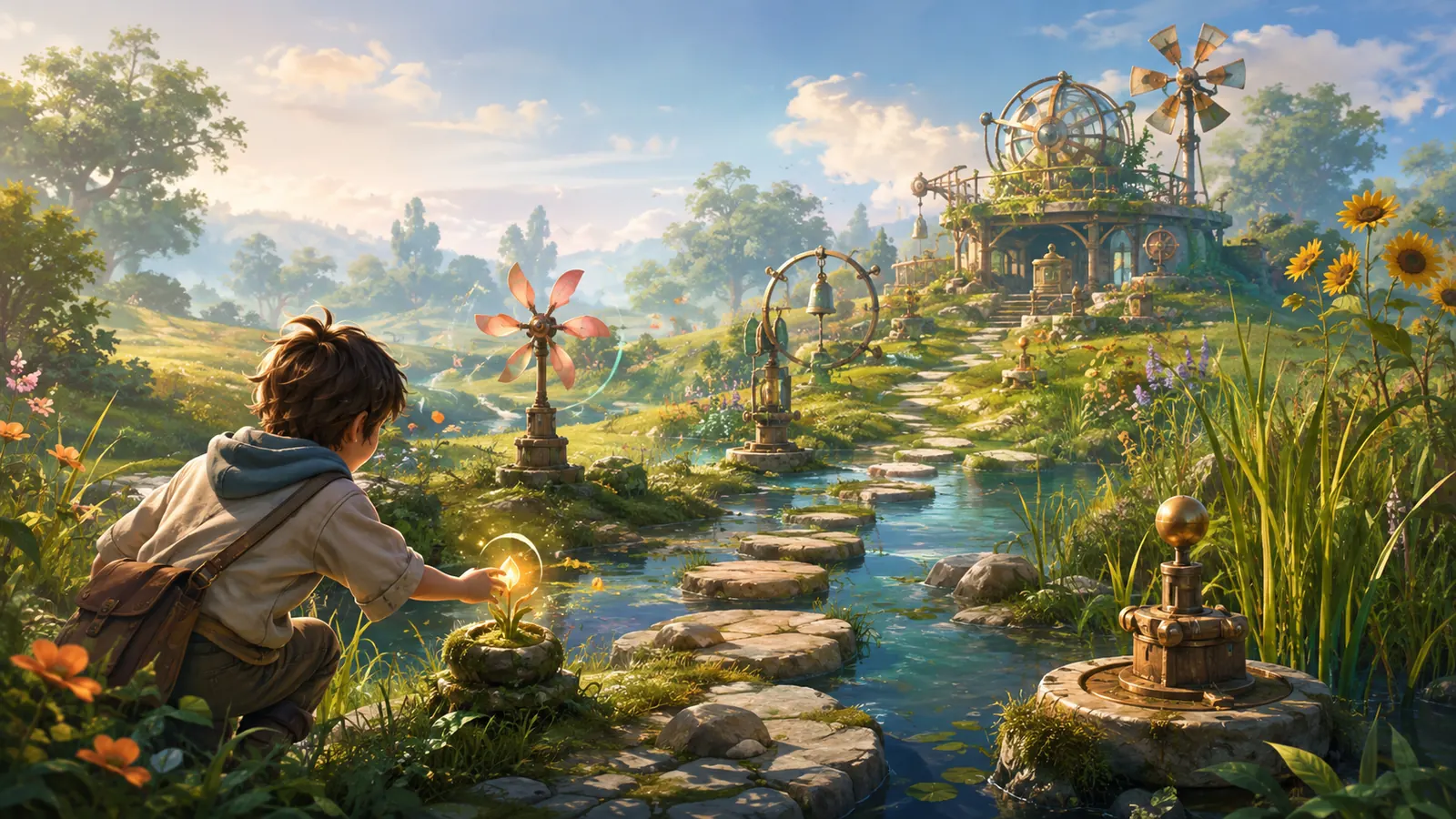
When a game teaches curiosity without a lecture
How interactive systems can invite experimentation, and what MIT’s maker-learning work suggests about putting agency before explanation.
Topics on this shelf
Follow the journal
New stories, in your feed reader.
Rather not give an email? Copy the feed address into any RSS reader (Reeder, NetNewsWire, Feedly, Inoreader) and each new story arrives as it is published.
www.outbrick.site/feed.xml
Or follow one shelf
- Player habitsCopy the Player habits feed address
- Success storiesCopy the Success stories feed address
- Game craftCopy the Game craft feed address
- Inclusive designCopy the Inclusive design feed address
- Learning through playCopy the Learning through play feed address
- Social playCopy the Social play feed address
- OutBrick practiceCopy the OutBrick practice feed address