


A shelf of the journal
Player habits
How play fits a real day: sleep, attention, rituals and the decision to stop.
Stories on this shelf
Puzzle-game privacy labels: what to check on iPhone
Read an iPhone puzzle game’s privacy label, distinguish linked data from tracking, compare the policy, and find the controls that affect your choices.
Set puzzle-game time limits on iPhone with iOS 27
Use iOS 27 Screen Time to set Games allowances and scheduled access, check which apps count, and make a practical stopping plan for puzzle play.
No-timer block-sort puzzles for iPhone: a fit guide
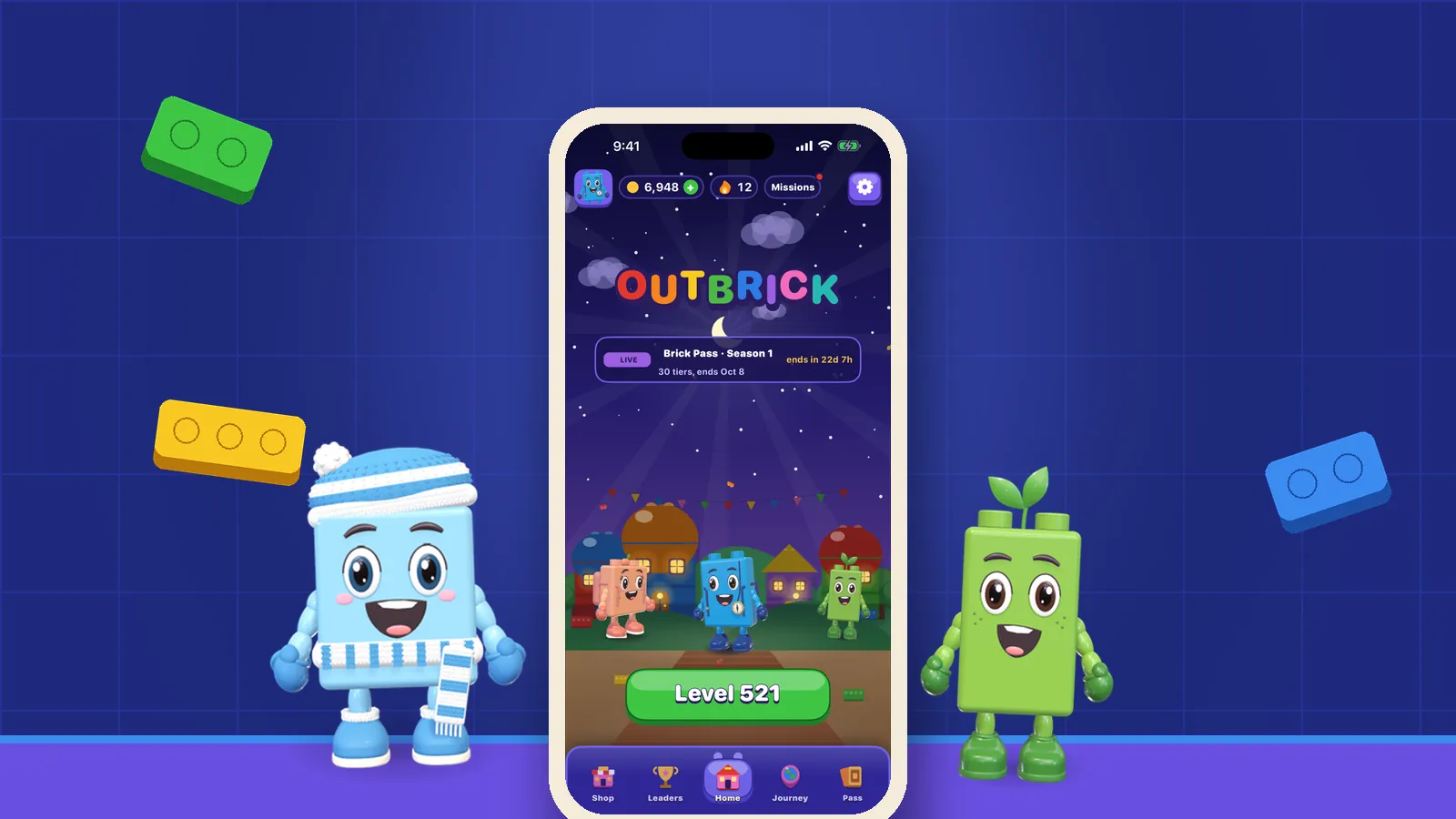
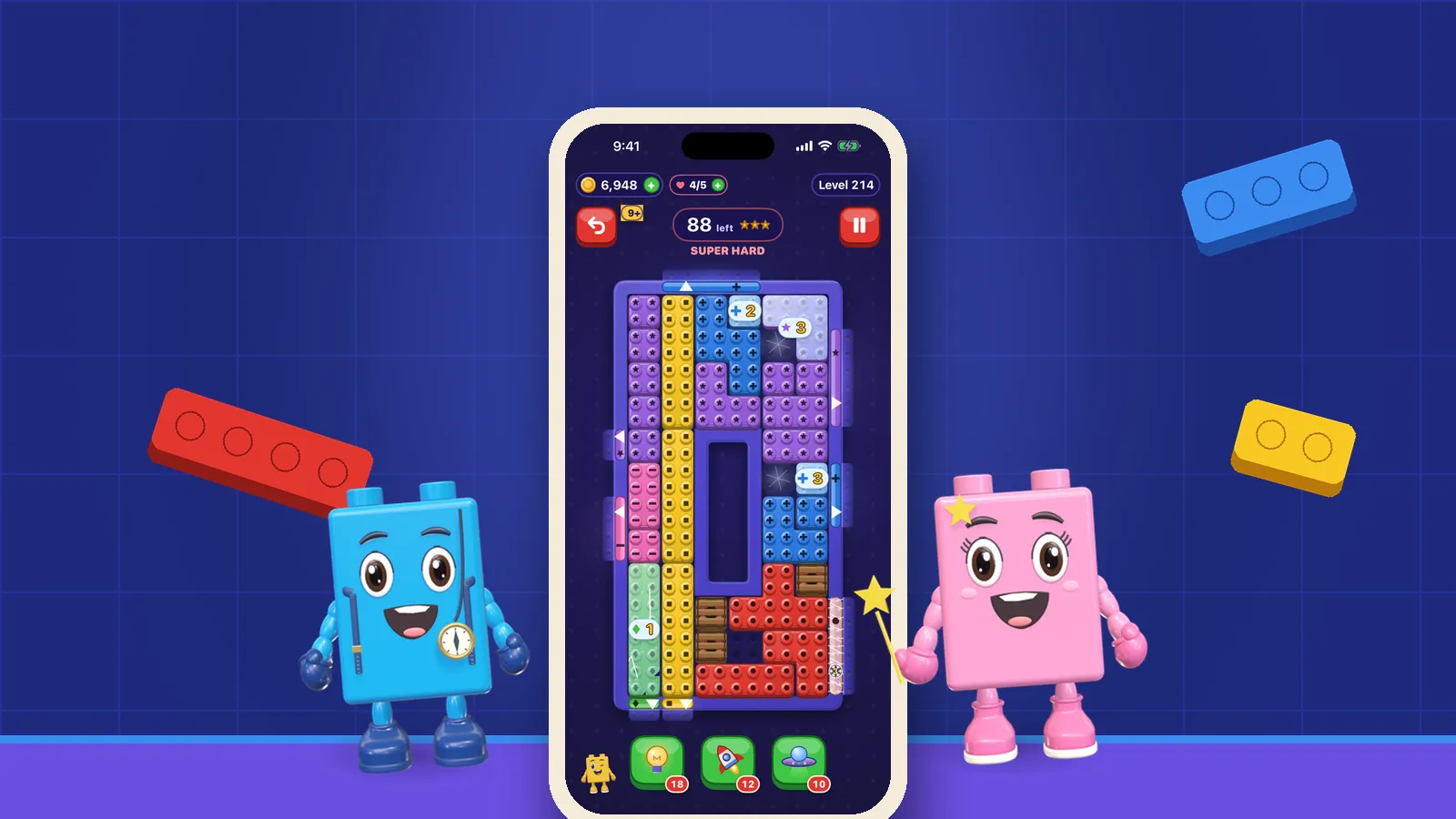
Compare OutBrick, Block Buster - No Timer and Color Block Jam by their published constraints. Learn what untimed play does and does not promise.
Dark patterns in mobile games: how to spot them
Nagging pop-ups, confusing currencies, offers timed for your worst moment: what research says about manipulative design in games, and a checklist to spot it.
Is gaming good or bad for your mood? What diary studies show
In-game mood reports, logged play time and a console lottery: what the newest studies say about gaming and mood, and why hours matter less than fit.
Playing to unwind: casual games and recovery after work
Detachment, relaxation, mastery and control: what recovery research says about unwinding after work, and where a casual game fits in.
How long does it take to form a habit? What studies show
Not 21 days. What real-world habit studies found about timing, missed days and cues, and why your phone and its games should not own your habits.
Rewards, streaks and motivation: when incentives backfire
Why rewards can crowd out the fun they were meant to boost, why a broken streak makes people quit, and how to keep incentives on your side.
Attention restoration: why calm scenes can feel refreshing
Attention restoration theory says nature rests a tired mind. What the evidence supports, why pictures are not parks, and what a calm game can borrow.
Does a digital detox work? What the experiments show
Quitting your phone for a week sounds healthy, but trials of digital detoxes point in different directions. What helps, what does not, and why.
Screen time myths: what the large studies actually find
Is screen time really harming teenagers? What studies of hundreds of thousands of young people found, why self-reports mislead, and what matters more.
Flow in puzzle games: the zone between bored and overwhelmed
Why the best puzzle sessions feel effortless, what Tetris experiments reveal about flow, and how to find your own sweet spot of challenge.
Micro-breaks at work: can a short game help you recharge?
A meta-analysis says ten-minute breaks lift energy but barely touch output. Where a short game fits, where it does not, and how to take a better break.
Gaming before bed: what the research says about sleep
Does a game at night wreck your sleep? What sleep-lab experiments, big surveys and bedtime procrastination research show, and what to try tonight.
Offline puzzle games for iPhone: commutes and flights
What to look for in a puzzle game for the Tube, a train or a flight: real offline play, one-handed controls, short boards and a light touch on battery.
How games become habits: cue, choice, closure
A practical, research-aware look at the loops that bring players back—and the design choices that keep returning voluntary.
Pokémon GO and the power of place
What location-based play reveals about movement, social connection, and turning the world outside the screen into part of the game.
When to play—and when to put the phone down
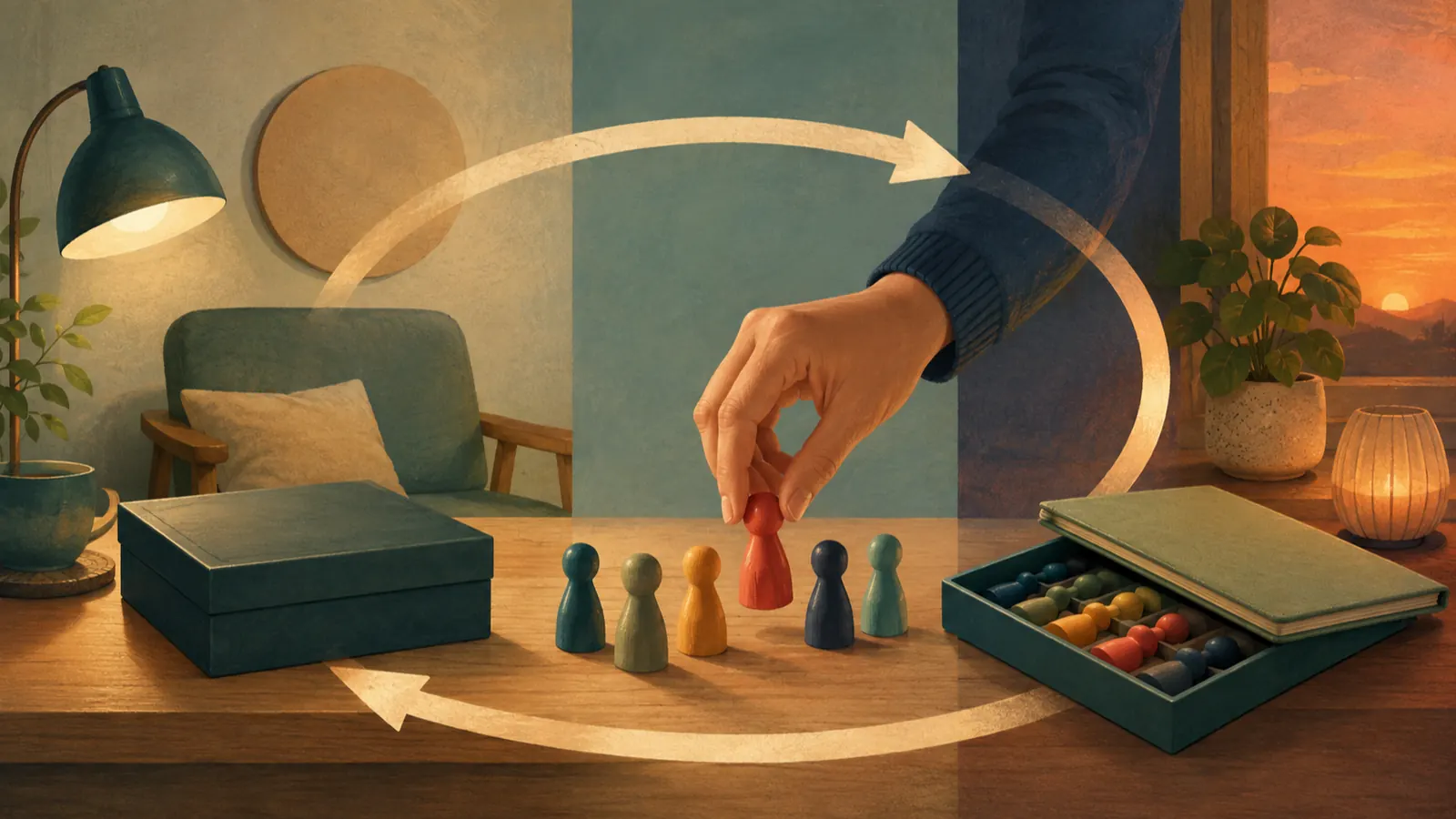
A candid guide to fitting games around sleep, attention, and the rest of a real day.
The case for daily rituals that do not demand you
Daily play can be a welcome rhythm when it invites attention without turning absence into failure.
Designing a game for the life players actually have
Why “gaming life fit” is a better design question than chasing a bigger hours-played number.
Why a two-minute puzzle can feel like a proper reset
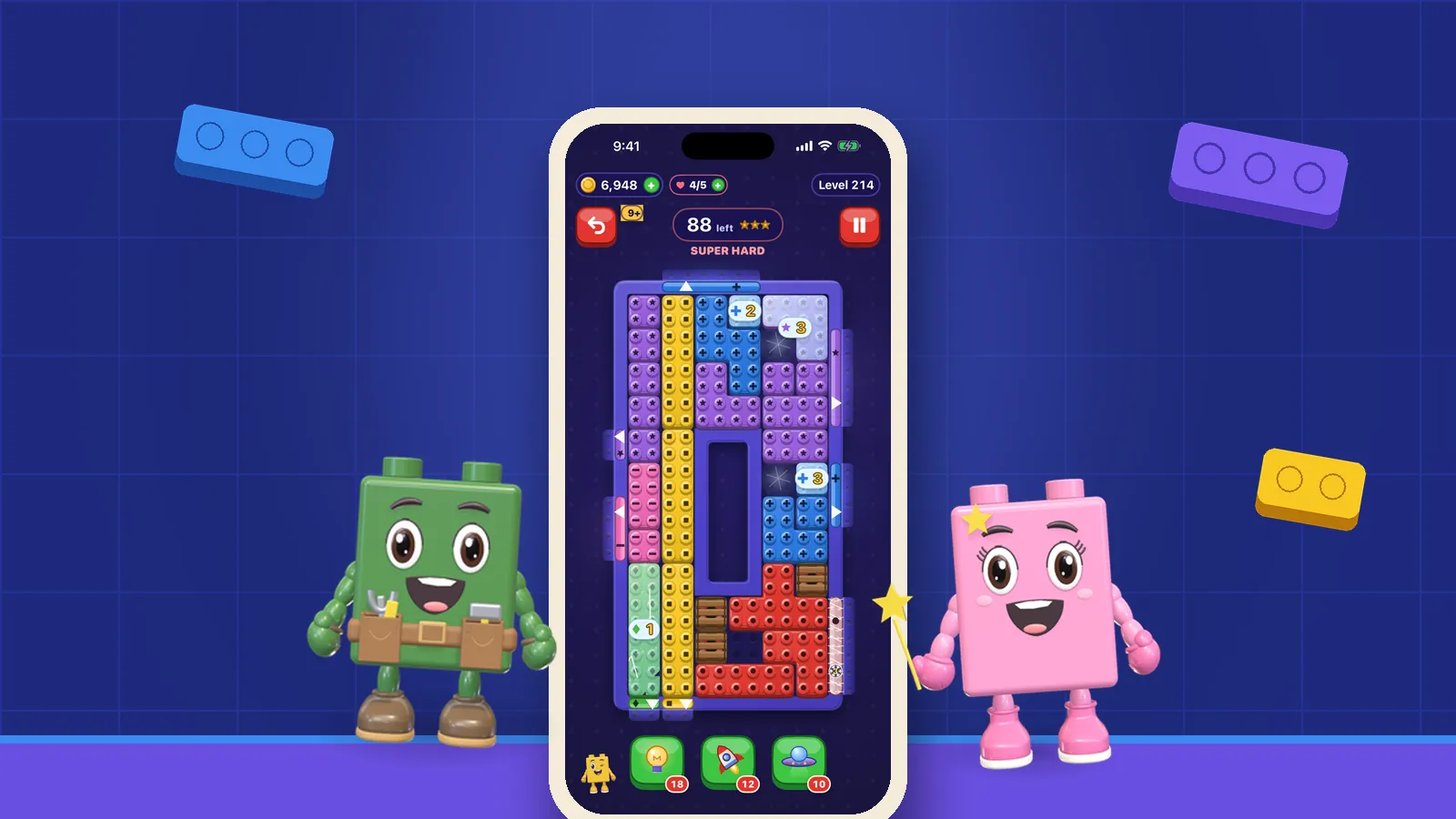
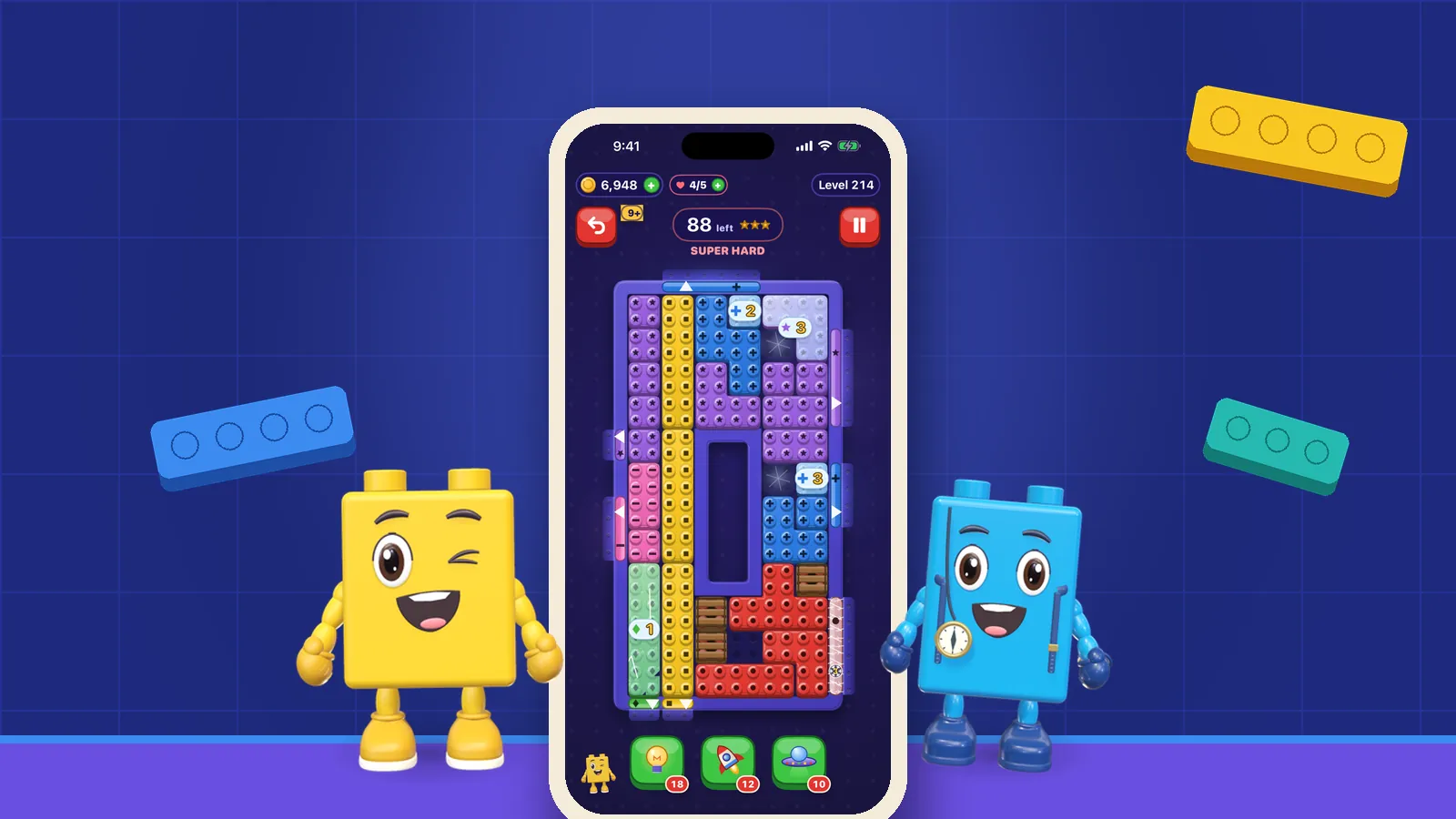
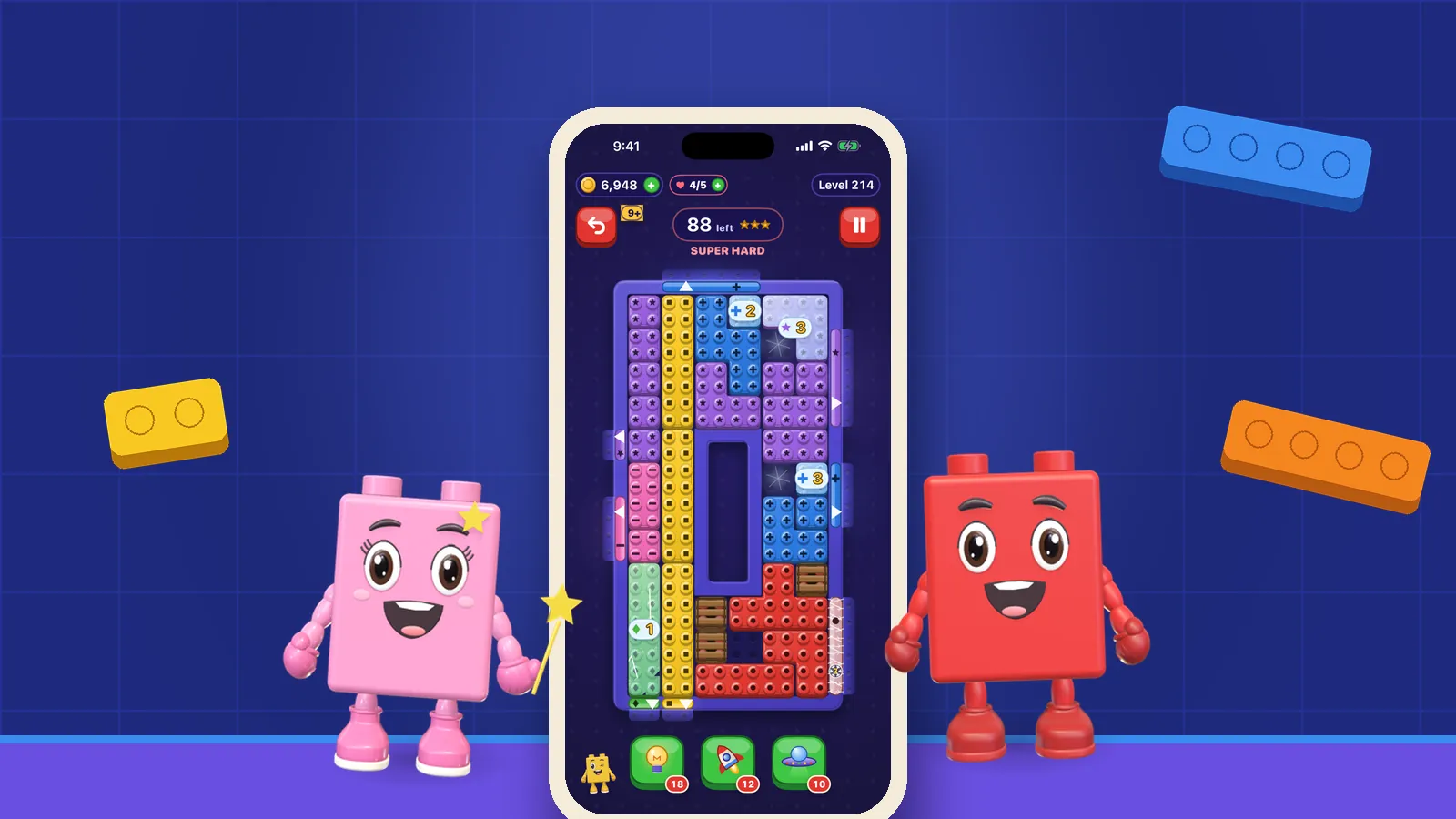
A research-backed look at competence, attention, and the small satisfactions that make a short OutBrick session worth returning to.





Topics on this shelf
Follow the journal
New stories, in your feed reader.
Rather not give an email? Copy the feed address into any RSS reader (Reeder, NetNewsWire, Feedly, Inoreader) and each new story arrives as it is published.
www.outbrick.site/feed.xml
Or follow one shelf
- Player habitsCopy the Player habits feed address
- Success storiesCopy the Success stories feed address
- Game craftCopy the Game craft feed address
- Inclusive designCopy the Inclusive design feed address
- Learning through playCopy the Learning through play feed address
- Social playCopy the Social play feed address
- OutBrick practiceCopy the OutBrick practice feed address