Puzzles and perseverance: why a hard board is worth finishing
Struggle that ends in a solution teaches more than an easy win. What research on desirable difficulties, effort and productive failure says about hard puzzles.
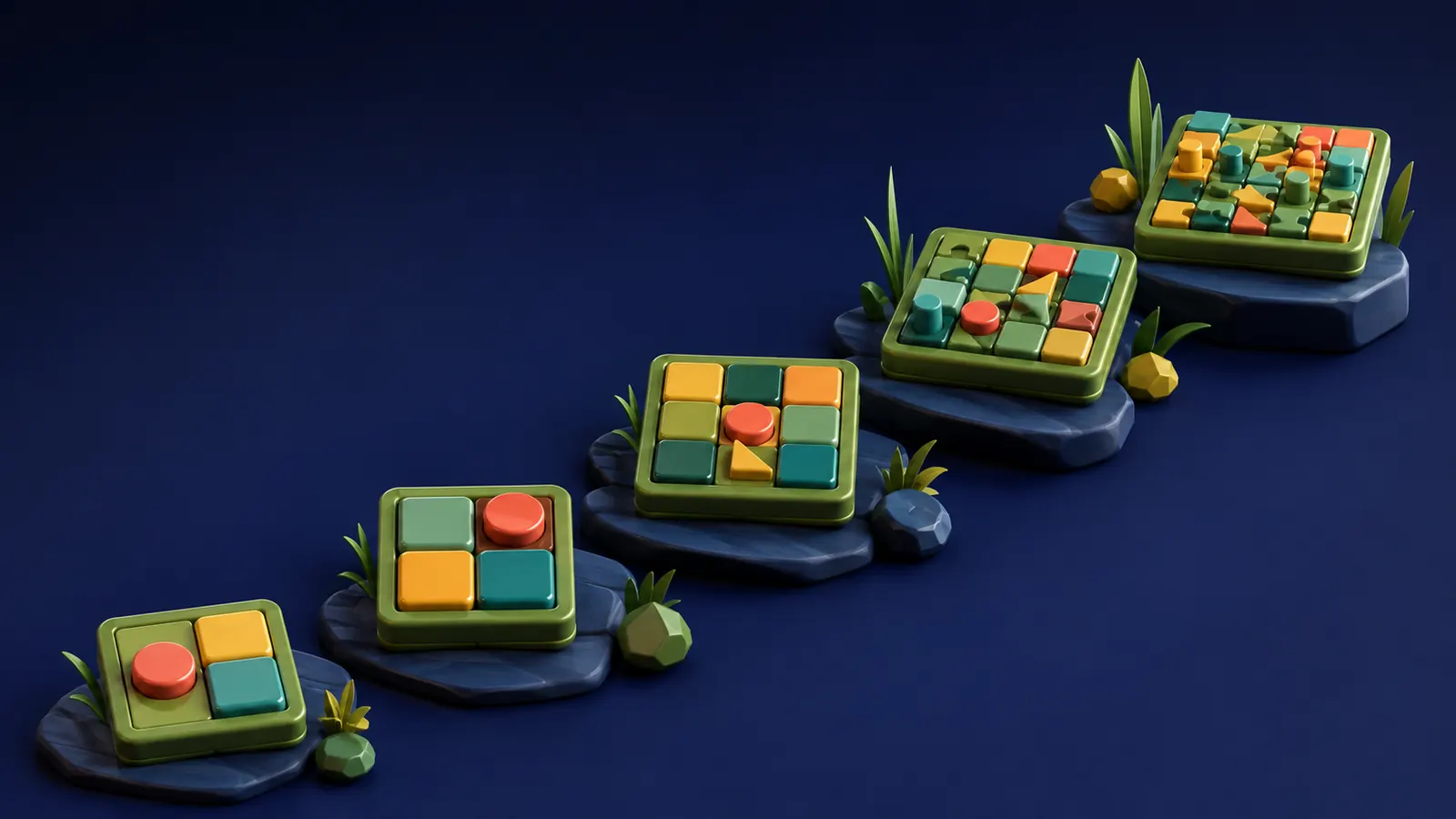
Every puzzle player knows the board that will not give. You have tried the obvious moves, then the less obvious ones, and the temptation is to skip it, look up a solution or put the game down for good. Sometimes stopping is the right call. But there is a case, backed by a good deal of learning research, for staying with a hard board a little longer than feels comfortable. The struggle is not a fee you pay before the learning starts. Often it is the learning.
Robert and Elizabeth Bjork coined the term desirable difficulties for a counter-intuitive family of findings: some conditions that slow learning down and make it feel harder produce better long-term retention and transfer. Spacing practice out instead of massing it, mixing different kinds of problems, testing yourself instead of rereading, and generating an answer instead of being handed one all feel less efficient at the time and tend to work better later.
In their 2020 overview they stress the word desirable. A difficulty helps only if the learner can respond to it successfully. A problem far beyond you is not a desirable difficulty; it is a wall. The sweet spot is a challenge that takes real effort and is still within reach.
For a puzzle player the translation is simple. A board that makes you think for several minutes, try three ideas and discard two is doing what desirable difficulties describe. A board that has you guessing at random for twenty minutes is not; it has stopped giving you anything to respond to.
Sources1Bjork, R. A., & Bjork, E. L. (2020). Desirable difficulties in theory and practice. Journal of Applied Research in Memory and Cognition, 9(4), 475–479.
Difficulty feels bad partly because we judge our learning by our performance in the moment. Nicholas Soderstrom and Robert Bjork reviewed decades of research showing that the two can come apart. Learning can happen without any visible change in performance, and conditions that boost performance during practice can fail to produce lasting learning. People regularly misread smooth, easy practice as a sign that they are learning well.
On a puzzle board this is freeing. The minutes you spend stuck, trying approaches that do not work, are not wasted just because the board stays unsolved. You are mapping which moves lead nowhere and why, and that map is part of what makes the next hard board feel easier.
Sources2Soderstrom, N. C., & Bjork, R. A. (2015). Learning versus performance: An integrative review. Perspectives on Psychological Science, 10(2), 176–199.
Education research has tested a sharper version of the idea. In productive failure, developed by Manu Kapur, students attempt problems before they have been taught how to solve them, usually fail, and then receive instruction. A 2021 meta-analysis by Tanmay Sinha and Kapur pooled 53 studies and found a moderate advantage for problem solving first over instruction first, and a larger one when the design followed productive failure principles closely.
The same analysis found limits worth knowing. For younger children, roughly second to fifth grade, and for general skills that are not tied to a subject, instruction first came out ahead. Struggle is not automatically good. It works when learners have enough to go on, and when what comes afterwards helps them make sense of what they tried.
Puzzles have a built-in version of that second step. When you finally find the solution to a board you fought with, your failed attempts suddenly make sense. You can see why each one fell short, and that is the moment the struggle turns into understanding.
Sources3Sinha, T., & Kapur, M. (2021). When problem solving followed by instruction works: Evidence for productive failure. Review of Educational Research, 91(5), 761–798.
Effort is usually treated as a cost, something people avoid when they can. Michael Inzlicht, Amitai Shenhav and Christopher Olivola reviewed the evidence that it is also a source of value: the same outcome can feel more rewarding when it took effort, and people sometimes choose things precisely because they are hard. They call this the effort paradox.
There is a condition attached, and it gives this article its title. Michael Norton, Daniel Mochon and Dan Ariely found that people valued things they had made themselves, from IKEA boxes to origami to Lego sets, more highly than they otherwise would. But the effect disappeared when people failed to finish, or built something and then took it apart. Labour led to love only when the labour ended in completion.
That is the case for finishing a hard board rather than abandoning it at eighty per cent. The satisfaction of a hard clear is real, and it seems to depend on the clear.
Sources4Inzlicht, M., Shenhav, A., & Olivola, C. Y. (2018). The effort paradox: Effort is both costly and valued. Trends in Cognitive Sciences, 22(4), 337–349.5Norton, M. I., Mochon, D., & Ariely, D. (2012). The IKEA effect: When labor leads to love. Journal of Consumer Psychology, 22(3), 453–460.
Perseverance has been popularised as grit, and that idea deserves some care. Marcus Credé and colleagues pooled 88 samples covering more than 66,000 people and found that grit was only moderately related to performance and very strongly related to conscientiousness, a long-established personality trait. Of grit’s two parts, perseverance of effort did better than consistency of interest. Sticking with things helps; it is just not a magic trait.
The practical version is modest. Stay with a hard board past the first flush of frustration. When you notice you are repeating yourself, step away rather than quit. Use the tools the game gives you to learn from your errors, which is what undo is for. And if a board really is beyond you today, leave it for another day; a desirable difficulty has to be one you can meet.
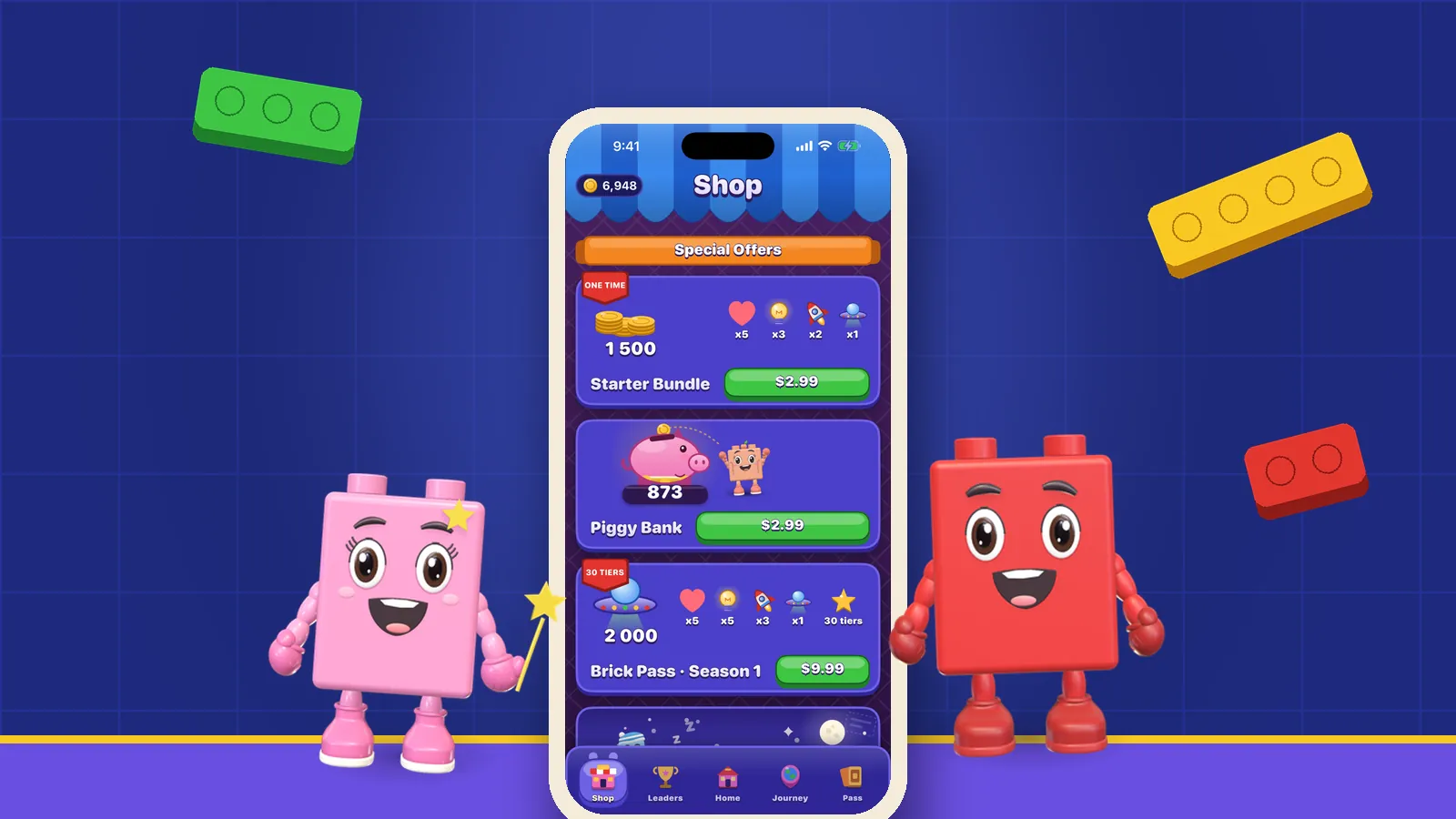
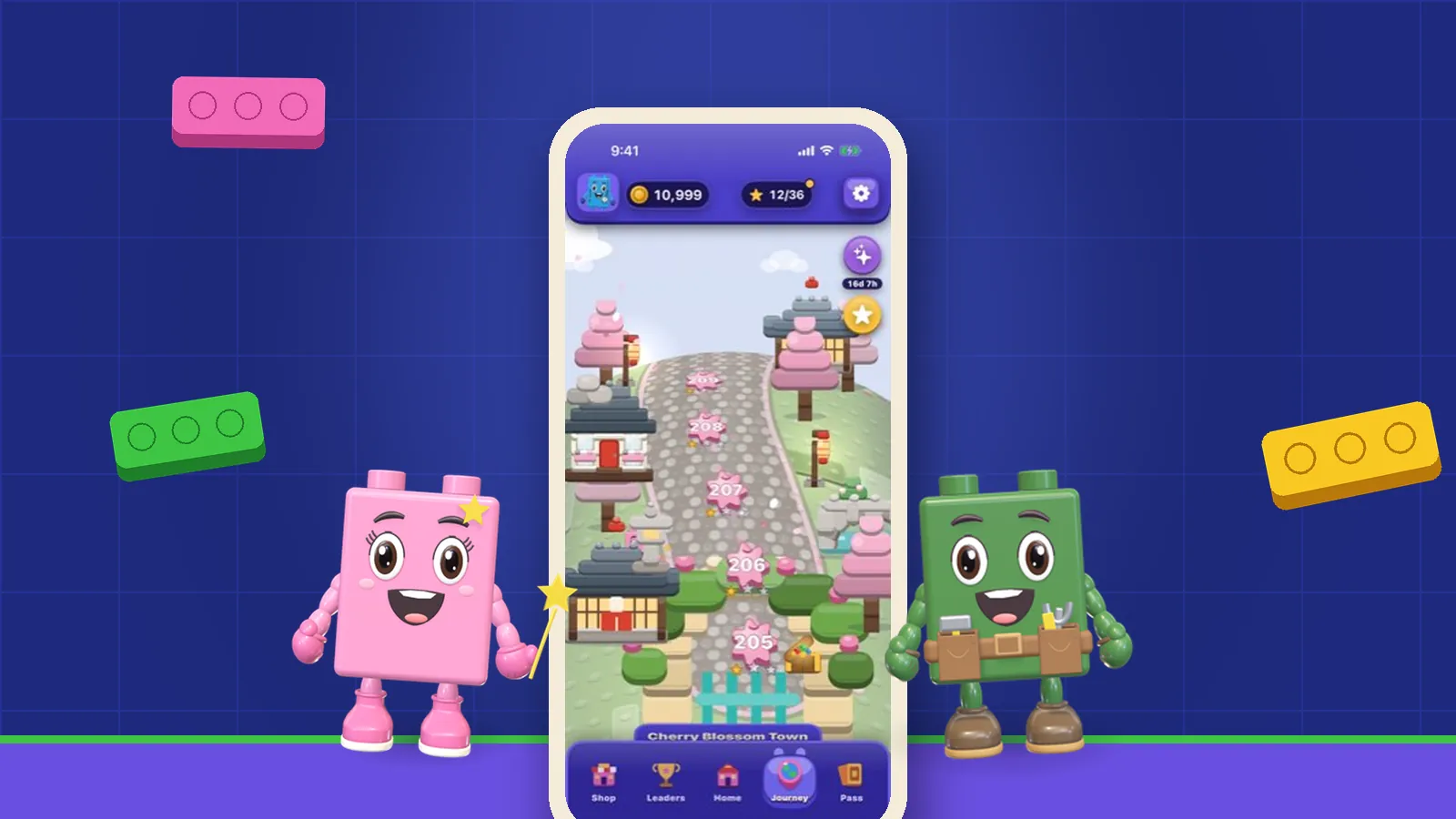
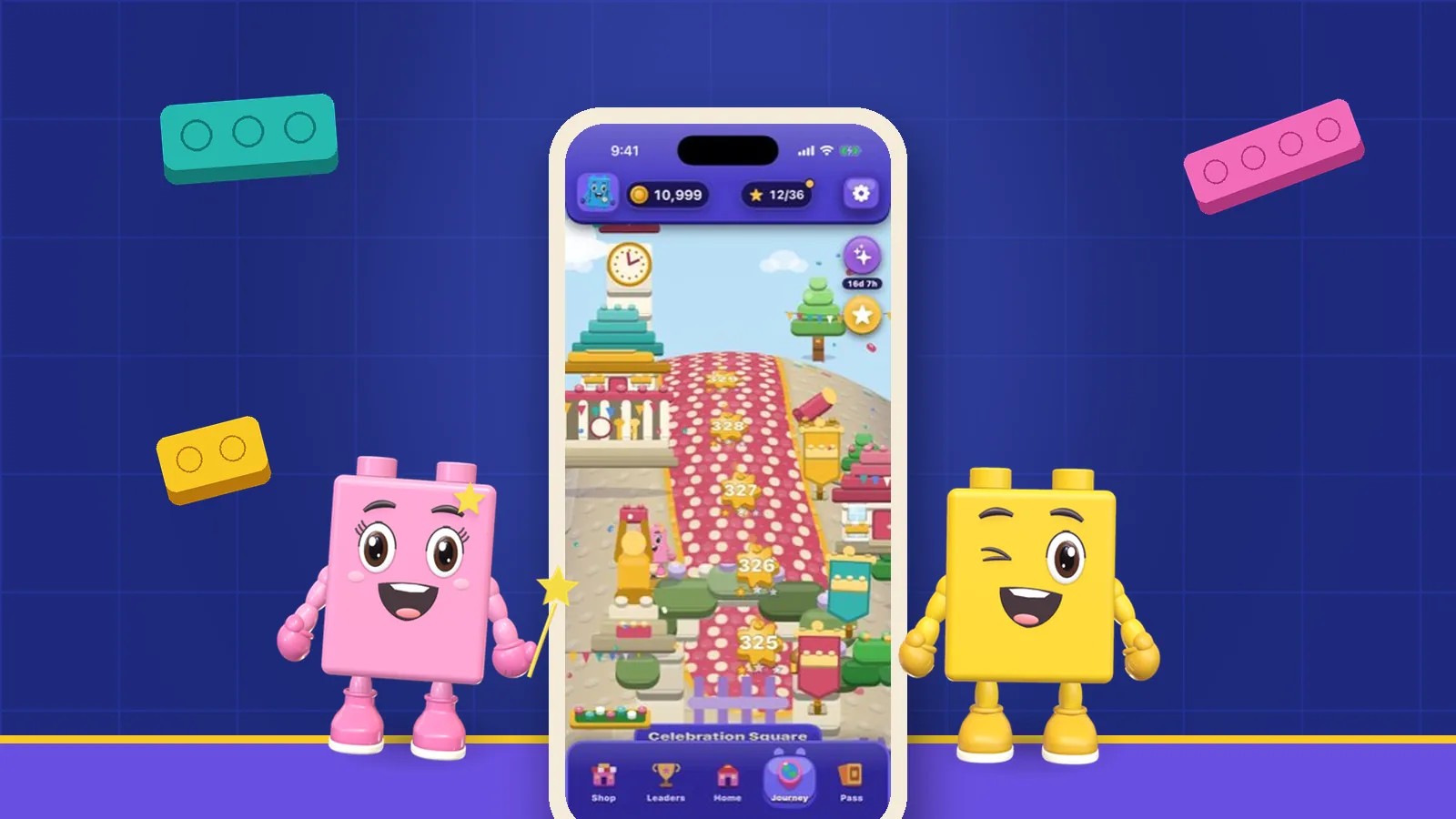
OutBrick is designed so that persevering does not cost much. There is no clock, the first undo on every board is free, and a life goes only when an attempt ends without a clear, never for opening or clearing a board; the full terms are in the fair-play ledger on the home page. All 2,000 boards were cleared by a solver before release, so a board that looks impossible does have a way through. The daily board is a good place to practise: it stays the same all day, so if it resists at breakfast, it will still be waiting later.
Sources6Credé, M., Tynan, M. C., & Harms, P. D. (2017). Much ado about grit: A meta-analytic synthesis of the grit literature. Journal of Personality and Social Psychology, 113(3), 492–511.
Filed under
Questions, answered
A few useful answers
Is it better to struggle with a puzzle or look up the answer?
Struggling first tends to help, as long as the problem is within reach. Research on desirable difficulties and productive failure suggests that attempting a problem before seeing the solution often leads to better long-term learning.
Why does solving a hard puzzle feel so satisfying?
Effort can add value to an outcome, so people often prize results they worked for. That effect seems to depend on finishing: in one set of studies it disappeared when people failed to complete what they were building.
When should I give up on a hard puzzle?
When you are repeating the same attempts without learning anything new, take a break rather than quitting. If a board is still far beyond you after that, leave it for another day, because a difficulty only helps if you can eventually meet it.
Is it bad to look up the solution to a puzzle?
Not always. If you have genuinely worked on a board and are no longer learning anything, a solution can turn the struggle into understanding, much as instruction does after productive failure. It helps most after a real attempt, not before one.
Does grit predict success?
Only moderately. A meta-analysis of 88 samples found grit was modestly related to performance and very strongly related to conscientiousness, with perseverance of effort the more useful part.
APA 7
References
Where a source is a studio’s own history or a news account rather than a study, the article says so beside the claim.
- Bjork, R. A., & Bjork, E. L. (2020). Desirable difficulties in theory and practice. Journal of Applied Research in Memory and Cognition, 9(4), 475–479. doi.org/10.1016/j.jarmac.2020.09.003 (opens in a new tab)
- Soderstrom, N. C., & Bjork, R. A. (2015). Learning versus performance: An integrative review. Perspectives on Psychological Science, 10(2), 176–199. doi.org/10.1177/1745691615569000 (opens in a new tab)
- Sinha, T., & Kapur, M. (2021). When problem solving followed by instruction works: Evidence for productive failure. Review of Educational Research, 91(5), 761–798. doi.org/10.3102/00346543211019105 (opens in a new tab)
- Inzlicht, M., Shenhav, A., & Olivola, C. Y. (2018). The effort paradox: Effort is both costly and valued. Trends in Cognitive Sciences, 22(4), 337–349. doi.org/10.1016/j.tics.2018.01.007 (opens in a new tab)
- Norton, M. I., Mochon, D., & Ariely, D. (2012). The IKEA effect: When labor leads to love. Journal of Consumer Psychology, 22(3), 453–460. doi.org/10.1016/j.jcps.2011.08.002 (opens in a new tab)
- Credé, M., Tynan, M. C., & Harms, P. D. (2017). Much ado about grit: A meta-analytic synthesis of the grit literature. Journal of Personality and Social Psychology, 113(3), 492–511. doi.org/10.1037/pspp0000102 (opens in a new tab)