Why a daily puzzle becomes a shared ritual, not just a game
The same puzzle for everyone, once a day: what research on rituals, shared attention and sharing emotions says about why daily games bring people together.
There is a particular kind of message that goes back and forth in family group chats, between old friends and across office desks: a small grid of coloured squares, a score, maybe a single word. It means “I did today’s puzzle”, and the reply means “so did I”. Newspaper crosswords have worked this way for a century, and a wave of daily games has made it global. The puzzle is often solved alone, in a spare minute, yet the experience is social in a way that a puzzle chosen from a list of thousands rarely is. Psychology has some good explanations for why.
The daily puzzle is not an invention of the smartphone. For most of the twentieth century, the crossword, the chess problem and later the number puzzle arrived with the morning paper, one per day, the same for every reader. Commuters worked on them in the same carriages, colleagues compared notes at lunch, and the solution appeared the next day for everyone at once. The history of how those puzzles became fixtures is in why crosswords, jigsaws and sliding puzzles endure.
What the web added was reach and a way to share the result without handing over the paper. What it took away, for a while, was the scarcity: an app could offer thousands of puzzles, and many did. The recent return of the one-a-day format suggests that the limit was never a shortcoming of print. It was part of the appeal.
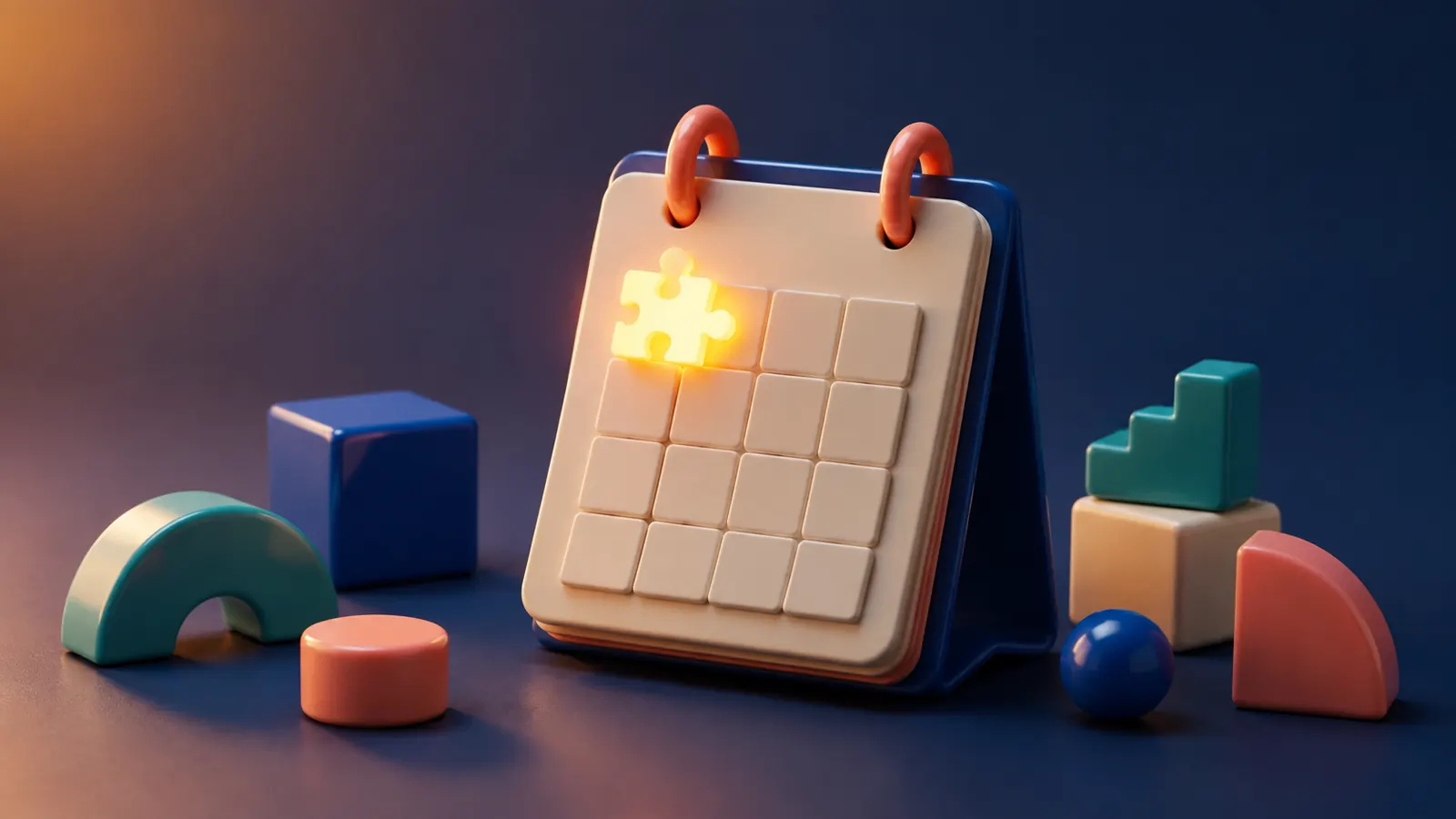
What makes a daily puzzle different from an endless supply of levels is scarcity with synchrony: there is one, it is the same for everyone, and it is gone tomorrow. That turns a private activity into a common reference point. When you mention today’s puzzle, the other person knows exactly which one you mean.
Erica Boothby, Margaret Clark and John Bargh showed how much simultaneity alone can change an experience. In two lab studies, people tasted chocolate either at the same time as another participant or while the other person did something else, without talking. Pleasant chocolate was rated more likeable and flavourful when the tasting was shared; bitter chocolate was rated less likeable. Sharing did not simply make things nicer; it made them more intense.
Garriy Shteynberg has argued that this reflects a broader phenomenon he calls shared attention: knowing that others are attending to the same thing as you, even without being physically present, changes how you remember, judge and feel about it. He notes that mass media have made shared attention possible at a distance. A daily puzzle is a very small mass medium.
A habit is something you do automatically. A ritual is a fixed sequence of actions that carries meaning beyond what the actions achieve. Coffee, then the puzzle, then the share; always before checking email; always with the same friend. Nicholas Hobson and colleagues reviewed the psychology of ritual across social psychology, anthropology and neuroscience and proposed that rituals do three main jobs: they help regulate emotions, they help people get into a state ready to perform, and they help build and signal social connection.
Rituals also seem to change how much we enjoy the thing they lead up to. Kathleen Vohs and colleagues found in four experiments that people who performed a short ritual before eating chocolate or drinking lemonade enjoyed it more and savoured it longer than those who did not, and that it mattered that they performed the ritual themselves rather than watching someone else do it. The authors’ explanation is involvement: a ritual draws you into the experience.
This is also why a daily puzzle should never feel like a debt. Our earlier piece on daily rituals that do not demand you makes the case for designing daily play as an invitation rather than a streak that punishes a missed day. A ritual that you are afraid to break has stopped being a ritual and become an obligation.
Sources3Hobson, N. M., Schroeder, J., Risen, J. L., Xygalatas, D., & Inzlicht, M. (2018). The psychology of rituals: An integrative review and process-based framework. Personality and Social Psychology Review, 22(3), 260–284.4Vohs, K. D., Wang, Y., Gino, F., & Norton, M. I. (2013). Rituals enhance consumption. Psychological Science, 24(9), 1714–1721.
Put the research together and a picture of a good daily puzzle emerges. It is the same for everyone. It is short enough to fit into a morning. It gives a result that can be shared without spoiling the solution. And it does not punish anyone for missing a day.
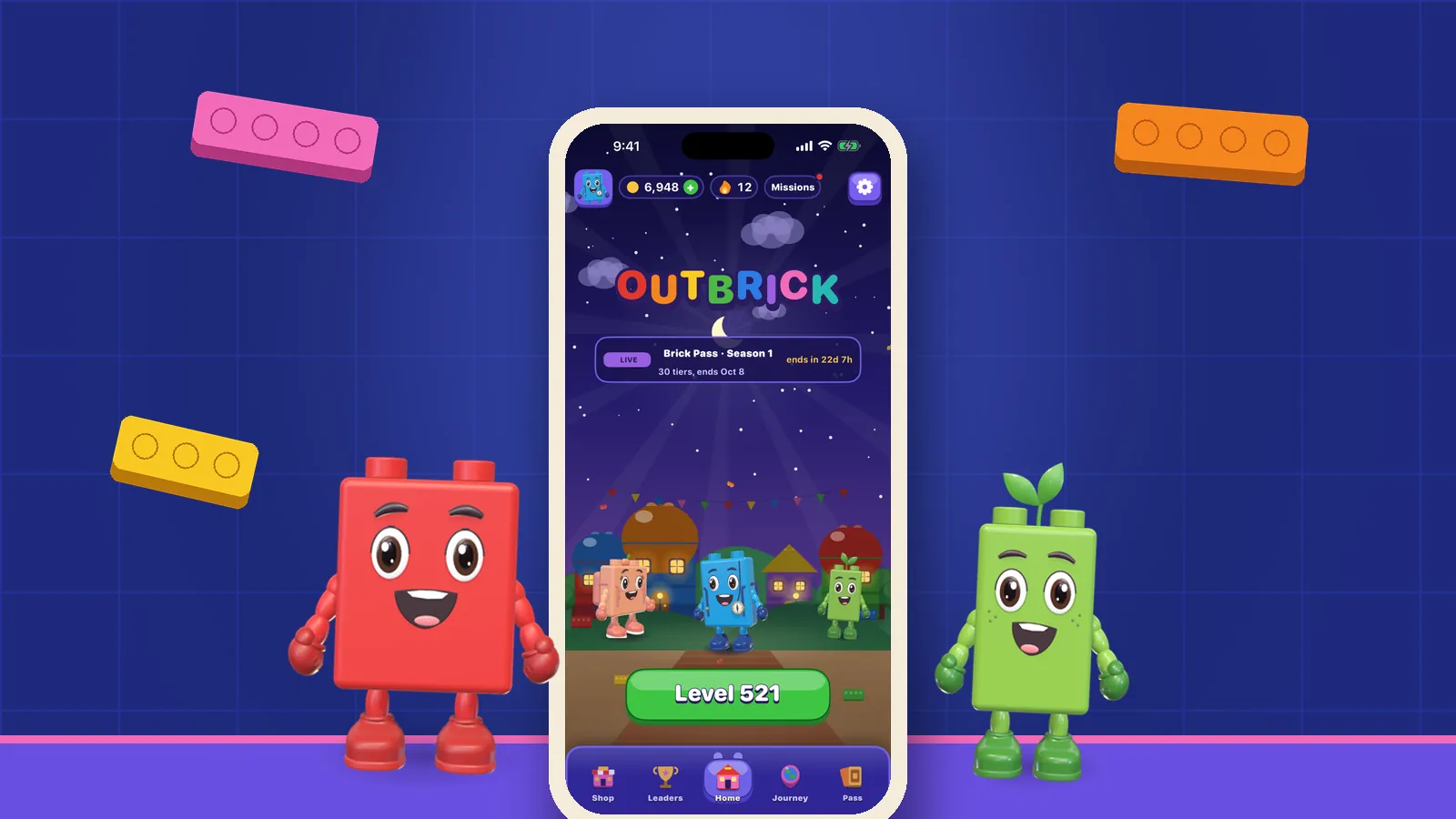
Our daily board tries to meet that bar. Everyone gets the same sliding-brick board on the same UTC day, picked from boards a solver has already cleared. A clear earns one star, clearing within the solver’s move target earns two, and doing that without an undo earns three. Share from the clear card and your friend gets a link to the same board with your stars on it, not your moves. There is no clock, and tomorrow there is a new one whether you played today or not.
- One puzzle, the same for everyone, so it becomes a common reference point.
- Short enough to fit a routine, with a clear finish.
- A shareable result that shows how it went but not how to solve it.
- No penalty for missing a day, so the ritual stays voluntary.
Sources3Hobson, N. M., Schroeder, J., Risen, J. L., Xygalatas, D., & Inzlicht, M. (2018). The psychology of rituals: An integrative review and process-based framework. Personality and Social Psychology Review, 22(3), 260–284.2
Filed under
Questions, answered
A few useful answers
Why are daily puzzles so popular?
They combine a short, finishable challenge with a shared reference point: everyone gets the same puzzle on the same day. Research suggests that experiences feel more intense when we know others are having them too, and that people naturally want to share how things went.
Why do people share their daily puzzle results?
Sharing an emotional experience, even a small one like solving a puzzle, is one of the most consistent things people do. A result that shows how you did without revealing the answer lets you share the feeling without spoiling it for anyone else.
Is a daily puzzle habit good for you?
It can be a pleasant ritual as long as it stays voluntary. Research on rituals links them to emotional regulation and social connection, but a routine you feel anxious about missing has become an obligation rather than a pleasure.
Does OutBrick have a daily puzzle?
Yes. The daily board on the OutBrick website gives everyone the same solver-checked sliding-brick board each UTC day, with up to three stars and a share link that shows your stars but not your moves.
APA 7
References
Where a source is a studio’s own history or a news account rather than a study, the article says so beside the claim.
- Hobson, N. M., Schroeder, J., Risen, J. L., Xygalatas, D., & Inzlicht, M. (2018). The psychology of rituals: An integrative review and process-based framework. Personality and Social Psychology Review, 22(3), 260–284. doi.org/10.1177/1088868317734944 (opens in a new tab)
- Vohs, K. D., Wang, Y., Gino, F., & Norton, M. I. (2013). Rituals enhance consumption. Psychological Science, 24(9), 1714–1721. doi.org/10.1177/0956797613478949 (opens in a new tab)