


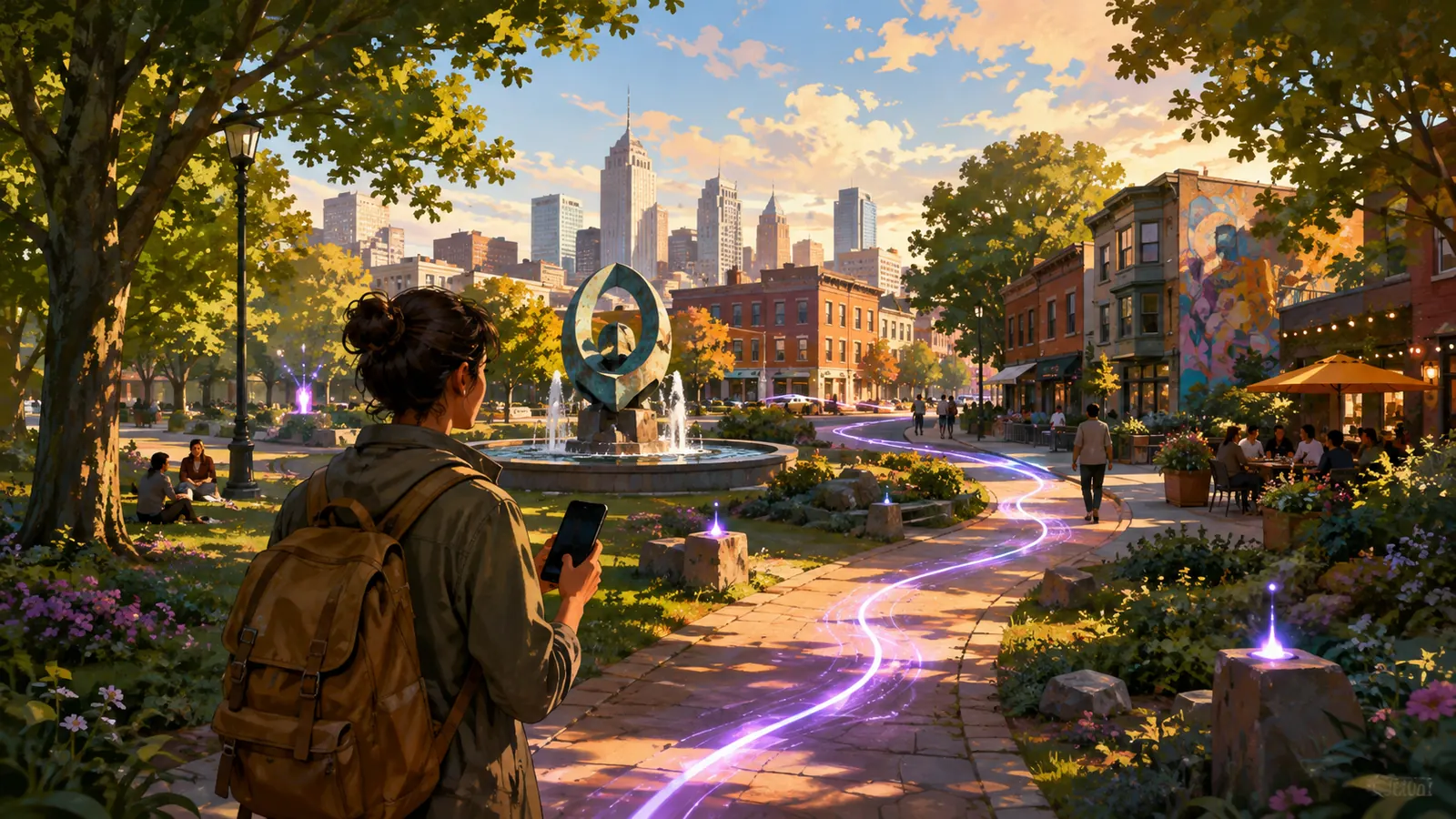
場所にもう一つの層を与えるゲームがあります。公園が経路になり、名所が待ち合わせ場所になり、いつもの散歩に少し多くの注意が向きます。良い位置情報の設計は、画面が世界のすべてだと考えず、世界に意味を加えます。
WangとHsiehのPokémon GO研究は、人、環境、位置情報を使う拡張現実ゲームの関係を調べています。この枠組みは、収集の仕組みそのもの以上に、なじみの地理が行動できるものになるところに新しさがあるため役立ちます。角、道、公共空間は、遊びが注意を向けると、新しい行動の可能性を持ちます。
設計の課題は、場所自体を消さずに層を加えることです。ゲームは、すべての公共空間を見えない資源の地点にするのでなく、通り、そこを共に使う人、環境の実際の限界への意識を促すべきです。
出典1Wang, S. S., & Hsieh, C.-T. (2020). Ubiquitous Pokémon Go: Human–environment relationships and the location-based augmented reality game. Environment and Behavior.
Pokémon GOを対象にした利用と満足の研究は、遊ぶ理由と、それが継続利用にどう関わるかを調べました。この論文は、一つの拡張現実ゲームと調査した参加者についてであり、プレイヤー行動の普遍的な説明ではありません。それでも、継続は報酬の予定だけでなく、活動へ加わる意味から来ることがあるという実用的な考えを補強します。
探索、有能感、人との接触は重なります。経路がおもしろい、友人が待っている、なじみの近所が新しく読み取れると感じるなどの理由で、遠くまで歩くことがあります。
出典2Bueno, S., Gallego, M. D., & Noyes, J. (2020). Uses and gratifications on augmented reality games: An examination of Pokémon Go. Applied Sciences, 10(5), 1644.6Przybylski, A. K., Rigby, C. S., & Ryan, R. M. (2010). A motivational model of video game engagement. Review of General Psychology, 14(2), 154–166.
OutBrickはどこかへ歩くよう求めません。その場所は小さな合間です。駅のホーム、コーヒーテーブル、会議前の1分。オフラインで遊べるので、トンネルも問題になりません。つながりは仕組みより姿勢にあります。良いゲームは、注意に明確で限られた形を渡し、日常の状況をより意図的に感じさせます。この合間については、通勤のパズルでも書いています。
ステージが公園にあっても家にあっても、誘いは同じです。一つに気づき、一つを選び、少し戻りやすくなった世界へ帰ります。
出典1Wang, S. S., & Hsieh, C.-T. (2020). Ubiquitous Pokémon Go: Human–environment relationships and the location-based augmented reality game. Environment and Behavior.5Ballou, N., Vuorre, M., Hakman, T., Magnusson, K., & Przybylski, A. K. (2025). Perceived value of video games, but not hours played, predicts mental well-being in casual adult Nintendo players. Royal Society Open Science, 12(3).
カテゴリーとタグ
APA 7
参考文献
参考文献は原語のまま記載しています。出典が研究ではなく、スタジオ自身の歴史や報道記事である場合は、本文の該当箇所でその旨を明記しています。
- Wang, S. S., & Hsieh, C.-T. (2020). Ubiquitous Pokémon Go: Human–environment relationships and the location-based augmented reality game. Environment and Behavior. doi.org/10.1177/0013916518817878(新しいタブで開きます)
- Bueno, S., Gallego, M. D., & Noyes, J. (2020). Uses and gratifications on augmented reality games: An examination of Pokémon Go. Applied Sciences, 10(5), 1644. doi.org/10.3390/app10051644(新しいタブで開きます)
- Lawler-Sagarin, K. A., Sagarin, B. J., & Pederson, A. (2023). Enhanced community through augmented reality: Social benefits of Pokémon Go. Psychological Reports. https://doi.org/10.1177/00332941231197155 doi.org/10.1177/00332941231197155(新しいタブで開きます)
- Ballou, N., Vuorre, M., Hakman, T., Magnusson, K., & Przybylski, A. K. (2025). Perceived value of video games, but not hours played, predicts mental well-being in casual adult Nintendo players. Royal Society Open Science, 12(3). doi.org/10.1098/rsos.241174(新しいタブで開きます)
- Przybylski, A. K., Rigby, C. S., & Ryan, R. M. (2010). A motivational model of video game engagement. Review of General Psychology, 14(2), 154–166. doi.org/10.1037/a0019440(新しいタブで開きます)

社会的な利点には場所がある
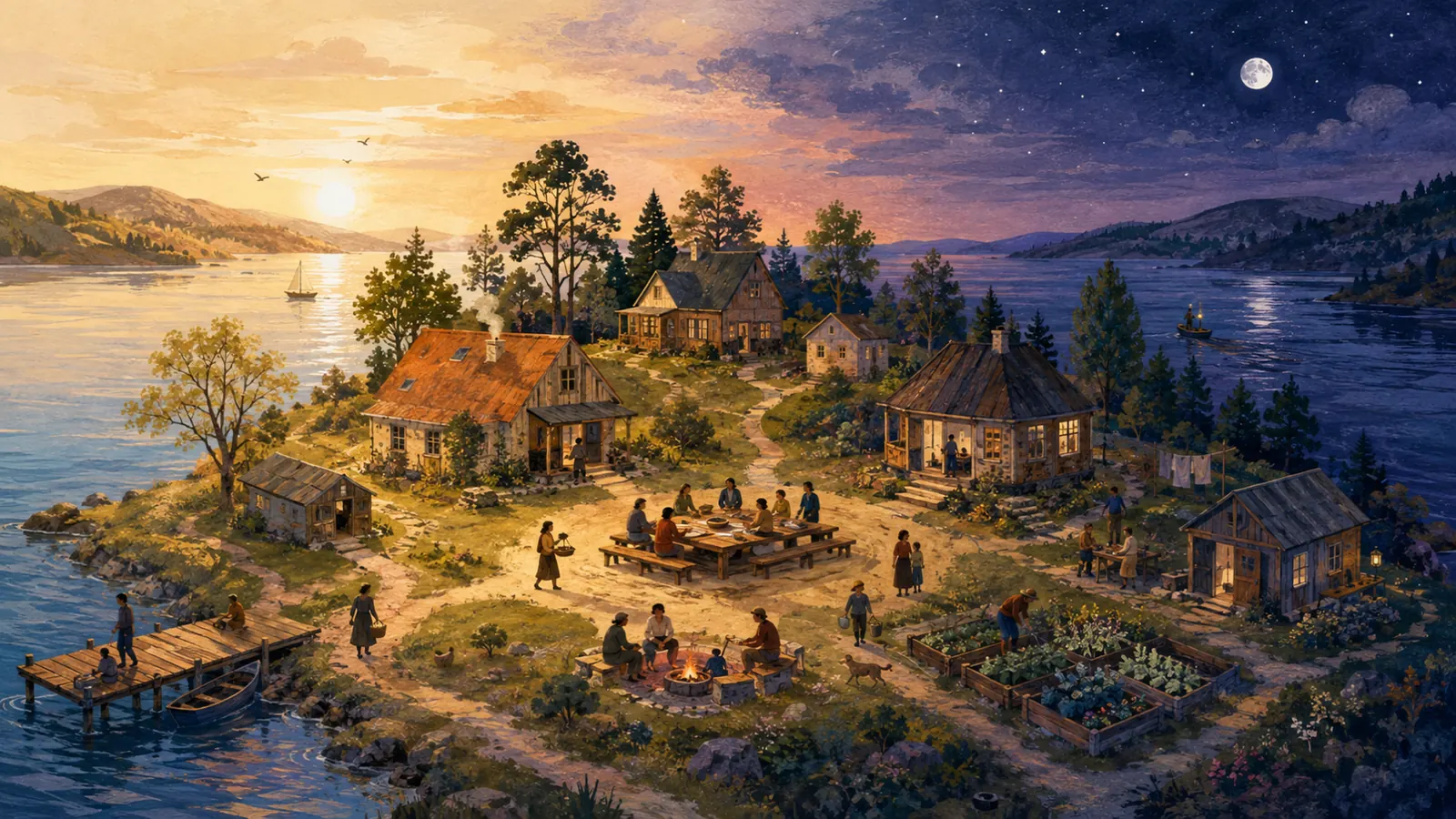
PubMedに登録されたEnhanced Community Through Augmented Realityという研究は、Pokémon GOを通じて人と会う、新しい場所へ行く、地元の店を利用することについて、調査結果を報告しました。自己申告による関連なので、ゲームがすべての結果を生んだ証拠として読むべきではありません。それでも、場所を社会的な設計の材料にできる理由を示します。
人と関わる層は、ボイスチャットやランキングでなくてもかまいません。共有する道、なじみの名所、その日の散歩の話、ほかの人も同じ世界に注意を向けているという単純な気づきでもよいのです。
出典3出典3Lawler-Sagarin, K. A., Sagarin, B. J., & Pederson, A. (2023). Enhanced community through augmented reality: Social benefits of Pokémon Go. Psychological Reports. https://doi.org/10.1177/003329412311971554出典4Sra, M., & Schmandt, C. (2015). Expanding social mobile games beyond the device screen. MIT Media Lab.